
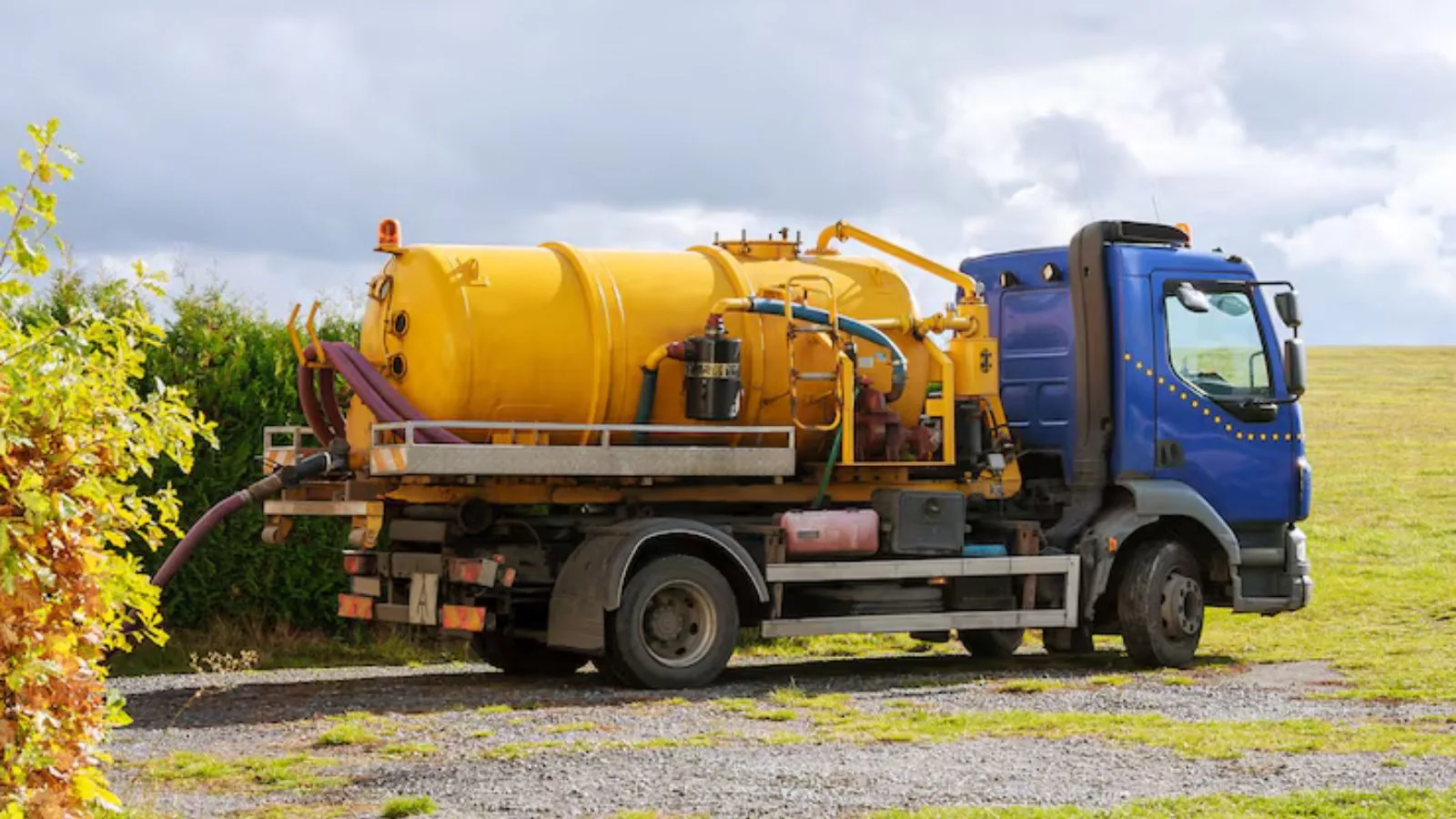
Emergency septic backup: when a tank cannot wait
A septic system needs an emergency visit when sewage is backing up into the house, drains are gurgling in several fixtures at once, or the ground over the tank or drain field is soggy and smells. Stop running water and call dispatch at any hour.
Georgia Department of Public Health rules require a county health department permit for installing an onsite sewage system and say repairs or modifications must be permitted and inspected. Clarke County Environmental Health is at (706) 583-2658 and Oconee County Environmental Health is at (706) 769-7060.
Call right away if
- Sewage backing up into tubs, toilets, or floor drains
- Several fixtures draining slowly or gurgling at once
- A strong sewage smell near the tank or drain field
- Wet, spongy ground over the tank or field
Real demand outside Athens' municipal core
A meaningful share of Clarke and Oconee County properties outside Athens' municipal sewer service area rely on private septic systems, particularly in rural and unincorporated areas. A 75-year-old, family-run well and septic specialist still operating in this market is a genuine sign of how much of that demand persists. We treat septic service as a real specialty here, not an add-on to municipal plumbing work.
Properties in the more rural stretches of Oconee County outside Watkinsville and Bishop often have septic systems that are decades old and were sized for a smaller household than currently occupies the home. If the household has grown since the system was installed, that's worth mentioning when scheduling, since it affects the right pumping interval.
Beyond the in-town neighborhoods
Cobbham, Normaltown, and the rest of in-town Athens are a different world from places like Arnoldsville, Farmington, and the rural edges of Clarke County, where private septic systems are common. If you are not sure which system your property uses, check your water bill for a sewer charge or look for a tank lid in the yard.
Signs you need septic tank pumping
- Slow drains throughout the entire house, not just one fixture
- Sewage odor near the tank or drain field
- Standing water or unusually lush grass over the drain field
- Gurgling in the plumbing after heavy water use
- Unusually green or lush grass over the drain field compared to the rest of the yard
Emergency steps: what to do right now
- Keep vehicles and heavy equipment off the drain field area at all times, not just during service
- Avoid flushing wipes, grease, or harsh chemicals, all of which shorten time between pumpings
- If sewage backs up into the house, avoid contact with the water and call immediately
- Locate your access lid before we arrive if you know where it is, this speeds up the visit
How we diagnose and fix it
We pump and inspect the tank, check the baffles and outlet filter condition, and flag any sign the drain field itself is struggling, which is a different, larger problem than a tank simply needing to be emptied on schedule.
Routine pumping on a normal schedule is the vast majority of calls. If we find a failing baffle, a cracked tank, or drain field saturation during the pump-out, we'll explain exactly what that means and what the realistic next step is, rather than just pumping and leaving.
Georgia's environmental health regulations, administered locally through the health department, govern septic system permitting and drain field standards. We work within those requirements whenever a repair goes beyond routine pumping.
Avoiding the next call
Keeping a septic tank on a regular pumping schedule, rather than waiting for symptoms, is meaningfully cheaper over the life of a system than letting solids reach the drain field, which can mean a full drain field replacement instead of a routine pump-out. For rural Clarke and Oconee County properties, we can set a reminder schedule based on tank size and household size.
Avoiding a garbage disposal on a septic system, or using one sparingly, meaningfully extends the time between pumpings, since food waste is one of the fastest ways to fill a tank's solid capacity.
What affects the cost
- Tank size and how long since the last pumping
- Access difficulty (buried lid, landscaping over the tank)
- Whether baffle or filter repair is needed alongside pumping
- Any sign of drain field issues found during inspection
Every septic tank pumping job in Athens gets a real number before work starts. Want your real number? Call (770) 214-4545.
On insurance: Routine septic pumping is standard maintenance and isn't covered by insurance. A sudden system failure causing property damage may fall under your homeowner's policy. Check your specific coverage for septic-related claims.
Septic backup and sudden failure
Pumping solves a full tank. It does not solve a failed drain field, a broken pipe, or a blocked outlet. We find out which problem you have before we recommend more than a pump-out.
University of Georgia Extension gives pumping every 3 to 5 years as a common rule of thumb, and another UGA publication says every 3 to 7 years. Household size, tank size, and use change that number, so tell dispatch about the home when you call.
Emergency questions about septic tank pumping in Athens
How often should a septic tank be pumped?
Typically every 3 to 5 years depending on household size and tank capacity. If you're not sure when it was last done, we can inspect and advise.
What are the signs my septic tank needs pumping?
Slow drains throughout the house, sewage odor near the tank or drain field, or standing water in the yard over the drain field are the clearest signs.
Do you also repair septic tanks, not just pump them?
Yes, baffle and outlet filter repairs are handled as part of or alongside a pumping visit if we find an issue.
What happens to the waste after pumping?
It's transported and disposed of through a licensed waste management facility in accordance with Georgia environmental regulations.
Is a septic backup an emergency?
Yes, when sewage is coming up in the house. Stop running water and call dispatch. Pumping may help, and we also check whether something else is wrong.
How often should a septic tank be pumped?
University of Georgia Extension gives a rule of thumb of every 3 to 5 years in one publication and 3 to 7 years in another. The right interval depends on the tank and the household, so ask us about yours.
Do repairs to a septic system need a permit?
Georgia Department of Public Health guidance says repairs or modifications to the system must be permitted and inspected by the county health department. We tell you what is involved before any repair.
Other work we handle nearby
Properties on well water often have both septic and well-pump needs. See our well pump repair page for that side of rural service. For municipal-sewer properties dealing with a backup instead, our sewer line repair page covers that different situation. We serve rural Clarke and Oconee County properties, including Bishop and the surrounding unincorporated areas.